

Chico Electric News
Benefits of Pumping Water Efficiently
- Better control of irrigation
- Better use of water as a resource
- Reduced cost of operation
- The ability to alter days of the week for irrigation based on water level rather than the cost of pumping.
Additional Features That Can Be Provided
- Data logging for improved decision making
- Automatic control and offsite monitoring/control
As water supplies continue to tighten and the cost of pumping water becomes increasingly more expensive, the necessity for more efficient irrigation practices is a vital aspect to explore. The ability to monitor data log and control pumping automatically and remotely with respect to speed and on/off operation is therefore essential. With the introduction of speed control to the pump, a 10% reduction in water volume saves approximately 30% in energy consumption. In many cases this makes it feasible to irrigate on any day of the week without paying a penalty for peak power use. Demand charges may also be reduced by 30% for the reduced speed period depending on control of the pump and your PG&E rate schedule. The reduction in water volume can easily be made up after peak hours when rates are less expensive. Moving your irrigation day may help offset drawdown experienced on a typical Thursday through Sunday irrigation cycle. Sensors monitoring flow, well depth, and field irrigation levels allow for more sophisticated control; thereby, reducing over irrigation, evaporation and energy costs. Data logging and energy monitoring can also spot trouble with the well or pump with respect to drawdown, cavitations, and pump bowl derogation. On a final note, renewable energy can be added to the system via solar or wind to greatly reduce or eliminate power costs. Typical return on investment for a system like this can be 4 to 6 years when solar is utilized. Let us do a free system audit and recommend what is best for your specific needs.
Chico Electric To Install Almost 7,000 Solar Panels at Sierra Nevada Brewery
Chico, Calif. is home to one of the finest and most eco-friendly breweries in the country. The Sierra Nevada Brewery is considered by many to be the premier craft brewery in the United States. But what many people don’t know about is the strong commitment the brewery has made to the environment.
Sierra Nevada was the first brewing company to participate in the California Climate Action Registry by voluntarily tracking its greenhouse gas emissions. It makes methane from brewery waste products, which fuels four 250kW fuel cells on-site and it has a 500 kW solar array shade structure in its parking lot. In addition, the brewery makes an ongoing effort to recycle, conserve resources, and use innovative waste reduction techniques.
The latest addition to the brewery is the installation of a 1.26 MW solar electric system on the roof of its factory in Chico, making this one of the largest privately owned solar systems in the United States. The solar electric system was installed by Chico Electric and uses 6,800 Mitsubishi Electric 185Wp high-strength, corrosion-resistant solar panels.
The complexity of the factory’s 10 rooftops, with multiple azimuths and tilts, made the system design a challenge. Chico Electric chose multiple inverters of different sizes (60kW, 82kW and 95kW) rather than a few large inverters to maximize the amount of power generated from the module strings. The system also uses non-penetrating mounting hardware, reducing the number of roof penetrations and possible leaks, and decreasing installation time.
The brewery’s renewable energy systems will produce 8,877,000 kWh of electricity annually and will provide 73 percent of the brewery’s power. This is enough electricity to power 833 average US homes. By choosing solar and fuel-cell energy, the brewery will offset 4,678 metric tons of carbon every year that would have otherwise been emitted into the environment.
The entire 1.26 MW solar electric system is expected to pay for itself in less than seven years. By taking advantage of federal tax credits, California rebates from the California Solar Initiative, and accelerated depreciation, Sierra Nevada Brewery was able to reduce the total system cost by 93 percent. For more information please visit www.mitsubishielectricsolar.com
Solar Regulations
Solar Regulations:
Incentive Programs Available to both home and business. Incentives offset the majority of the installed cost resulting in the Net Cost Before Taxes expressed in the Cash Flow analysis.
Rebate: California Solar Inititive (CSI)
-Administered by one of the three major utilities
-Performance Based Incentive (PBI) is monthly payments over 5 years, EBBI lump sum for smaller systems.
-Application is completed and submitted by Chico Electic.
Investment Tax Credit (ITC): 30% Federal Tax Credit
-Can be taken against prior year taxes and 20 years into the future.
-US Treasury grant (ARRA) pays 60 days after commissioning
Depreciation Tax Benefit: MACRS 5-Year Accelerated Depreciation
-Depreciable basis is 85% of installed cost (installed cost minus half of 30% ITC)
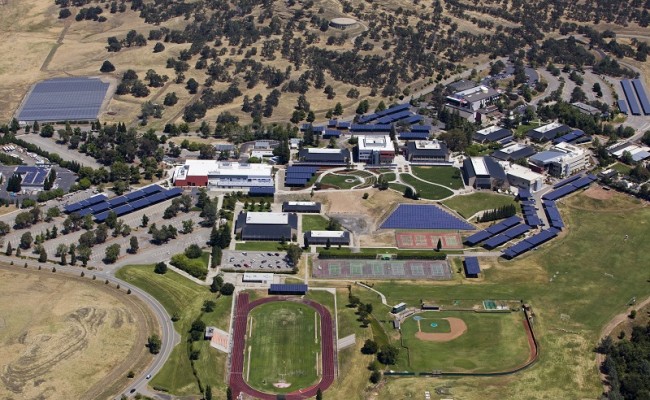
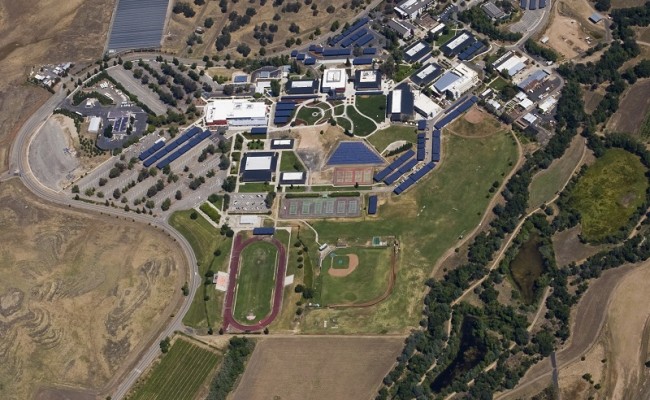
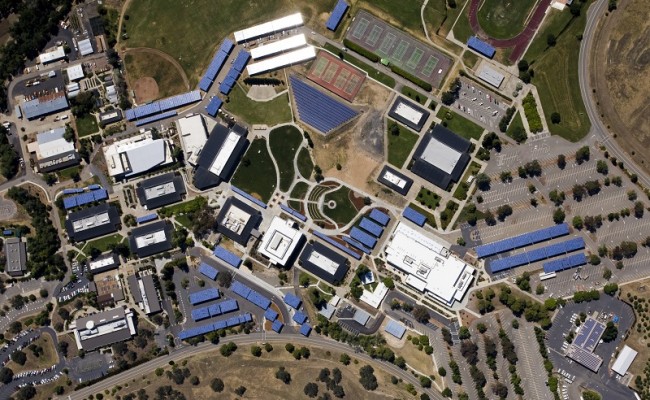
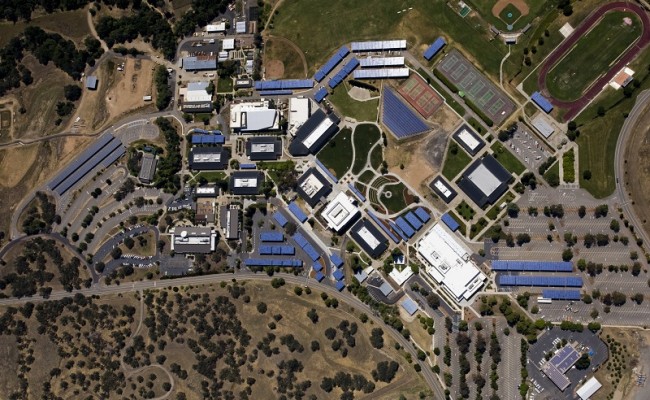
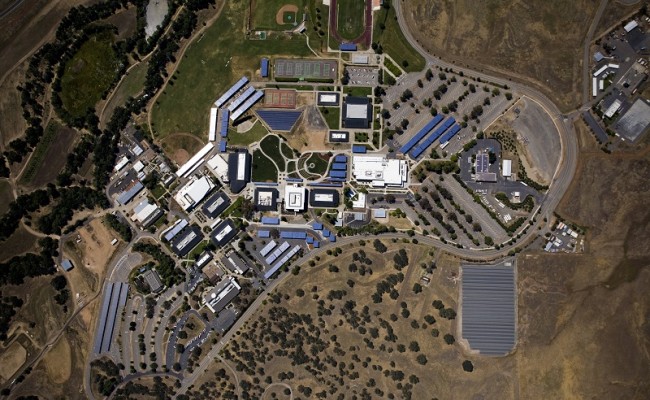
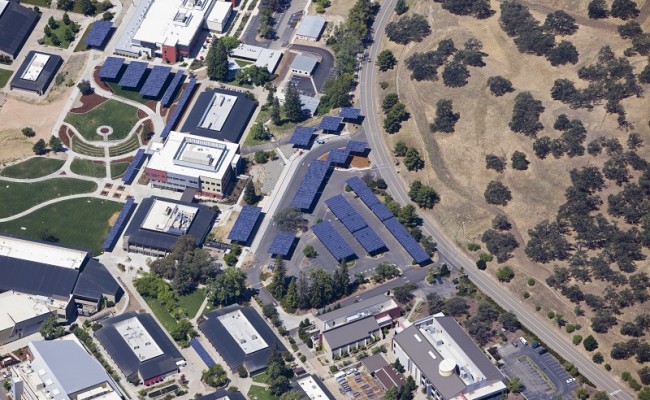
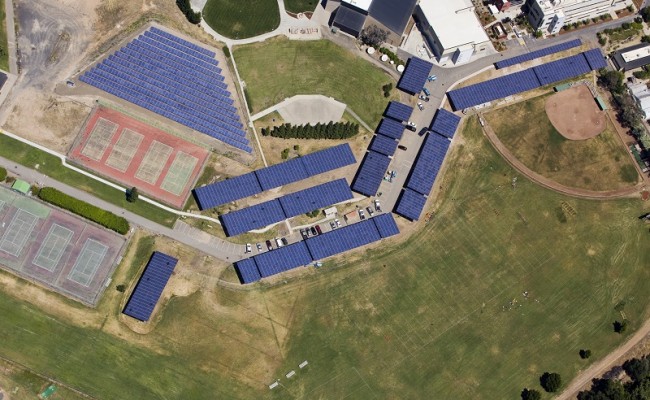
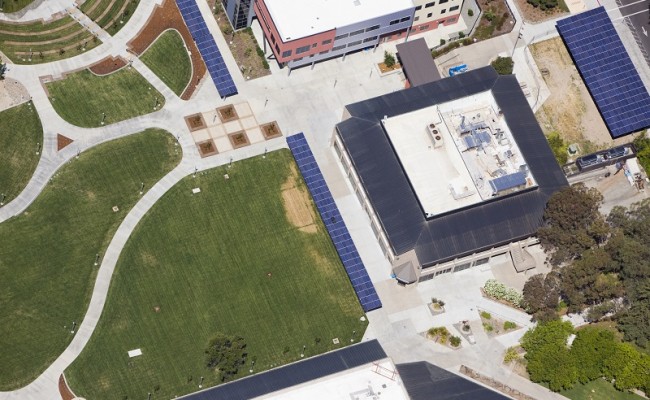
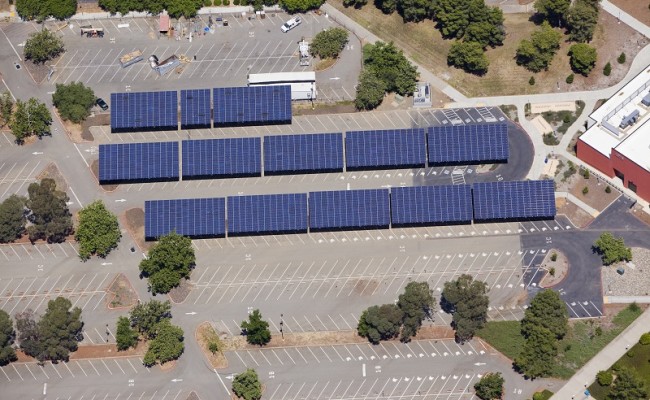
Butte College Install of 2,400 High-Efficiency Solar Panels
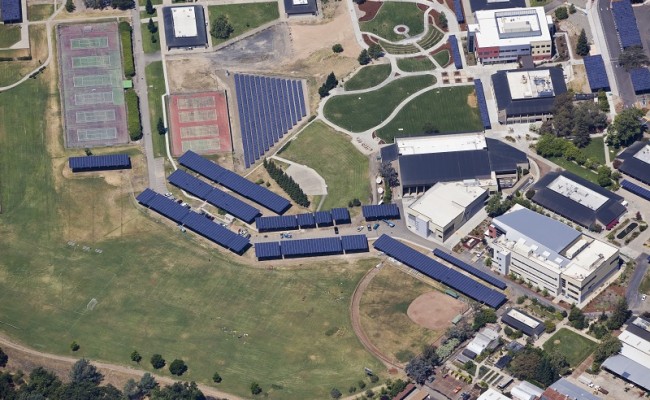
With national attention being focused on renewable energy policies, Butte College proved its leadership in the use of solar power by unveiling its newest set of solar panels at its Oroville campus on Feb 18.
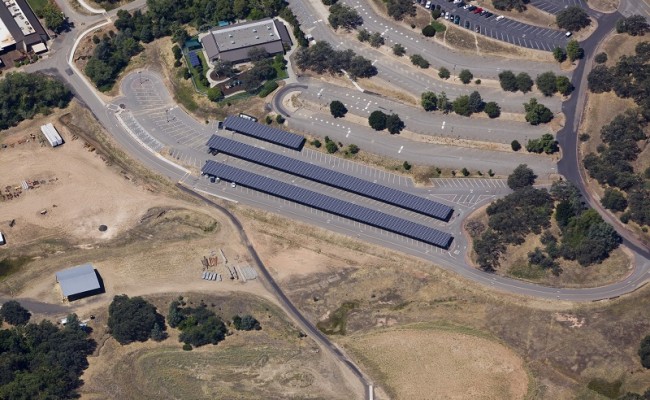
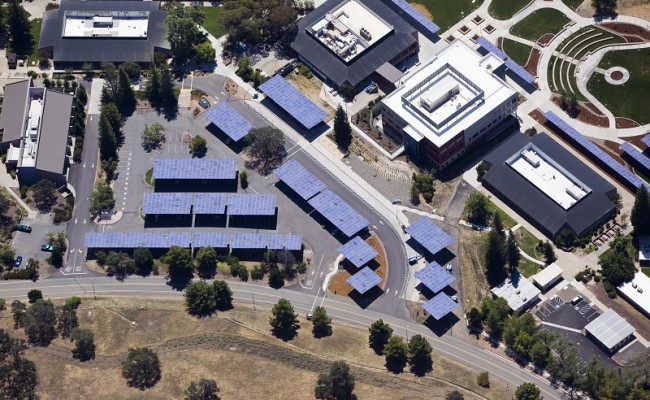
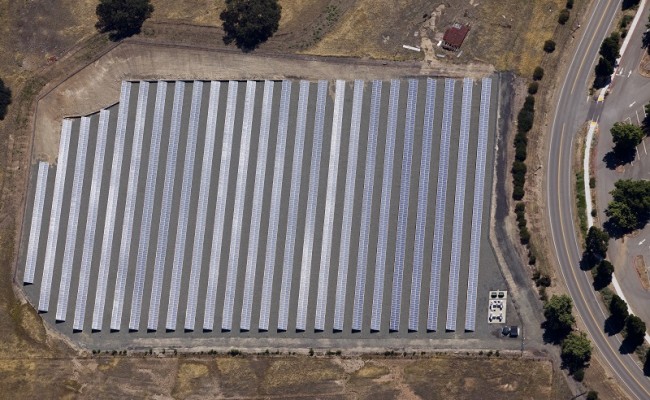
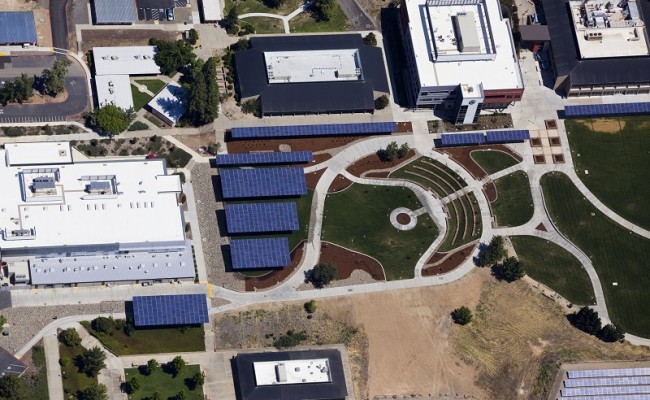
The 2,400 185-watt Mitsubishi Electric solar modules make an impressive statement on a sloping hillside near the tennis courts, absorbing sunlight into the solar cells and converting it into electricity. This recent addition of three solar arrays totaling 450 kW ...


